

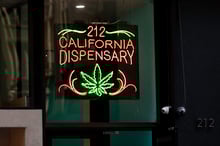
 Teen use of cannabis rose sharply when California legalized recreational use for adults and reduced penalties for minors—even before the state opened its retail storefronts—according to a study issued by JAMA Network Open.
Why It’s Relevant
Cannabis is the most used illicit substance by teens, yet youth use is also tied to long-term adverse educational, neurodevelopmental, and mental health outcomes. Understanding how changes in cannabis policy and society at large impact adolescent cannabis use may help inform effective prevention and intervention efforts.
By The Numbers
- Researchers analyzed adolescents’ (age 13 to 17) self-reported, past-year cannabis use captured by 1,308,655 standard questionnaires during well-child pediatric visits from 2011 to 2024 at Kaiser Permanente in Northern California.
- Before California legalized recreational cannabis on November 9, 2016, adolescents’ use of the drug in the state was dropping, from an average rate of 10.4% in January 2011 to 6.8% in October 2016.
- Adolescent use started rising following passage of the law, reaching 8.1% in December 2017—just before the state’s cannabis retail storefronts opened—and continuing to climb to 9.5% right before COVID-19.
- With the start of the COVID-19 pandemic closures in March 2020, the rate of adolescent cannabis use began a prolonged decrease back to pre-legalization levels, with a rate of 6.5% in December 2024.
The Other Side
The findings may not generalize to uninsured adolescents, those who did not come in for routine care or complete questionnaires, or those outside of northern California. In addition, there was no control group to account for the influence of some other broad trends—such as the rise in teen vaping and social media use.
Takeaway Message
The finding that adolescent cannabis use began increasing even before retail stores opened suggests that changes in attitudes towards cannabis and reductions in legal consequences for underage possession were strong drivers of use, the researchers noted. “Future research is needed to examine how local policy environments, such as municipal bans on storefront retailers and policies requiring additional buffers between retailers and schools, may influence patterns of cannabis use,” they wrote.
Related Information
“Studies Tie Marijuana Use to Lasting Cortical Changes, Schizophrenia” and “Evidence Mounting That Connects Cannabis to Youth Depression and Suicide”
Source
Kelly C. Young-Wolff, et al. Adolescent cannabis use after cannabis legalization and the COVID-19 pandemic. JAMA Network Open. Published online April 17, 2026. doi:10.1001/jamanetworkopen.2026.7720.
(Image: Getty Images/iStock/JasonDoiy)