


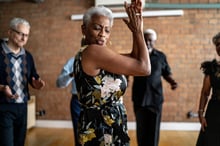
 Dancing proved more effective than multiple other non-pharmacological interventions for alleviating depressive symptoms in older adults, while music and tai chi were most effective for addressing anxiety symptoms, according to a meta-analysis published in Frontiers in Psychiatry.
Why It’s Relevant
Older adults may be particularly vulnerable to depression and anxiety due to social isolation, chronic illnesses, and life transitions. Even mild symptoms can impact their daily functioning. While pharmacological treatments are often a viable and effective option, older adults may be especially susceptible to the associated side effects and drug interactions of these medications.
By the Numbers
- Researchers compiled 83 randomized controlled trials (involving 6,646 participants) investigating 11 non-pharmacological interventions for depression and anxiety among adults ages 55 and older without chronic or severe disease.
- Dance ranked highest among all included interventions for alleviating depressive symptoms, followed by resistance training and cognitive behavioral therapy (CBT).
- For addressing anxiety symptoms, music and tai chi ranked first, followed by resistance training and internet-based CBT. Only tai chi and CBT showed statistically significant advantages over the waitlist controls, however.
- Both mindfulness-based stress reduction and outdoor walking showed limited effectiveness compared with the other interventions.
The Other Side
The researchers emphasized the substantial heterogeneity of the included studies, as well as the low to very low certainty of evidence for several top-ranked interventions. The certainty of dance’s effectiveness for depression, for example, was rated very low due in part to the small base of direct evidence.
Takeaway Message
While the study demonstrates that there are numerous effective, non-pharmacological options to help older adults living with mild depression and/or anxiety, the researchers reinforced that clinicians should not strictly adhere to the rankings identified. Rather, nonpharmacological interventions should align with the patient’s physical capabilities, socialization needs, and personal preferences. “[N]o single intervention possesses absolute universal superiority,” the researchers wrote.
Related Information
Source
Peifeng Qin, et al. Comparative effectiveness of non-pharmacological interventions on depression and anxiety in aging populations: a systematic review and network meta-analysis of randomized controlled trials. Frontiers in Psychiatry. Published June 9, 2026. doi:10.3389/fpsyt.2026.1772542
(Image: Getty Images/iStock/FG Trade)