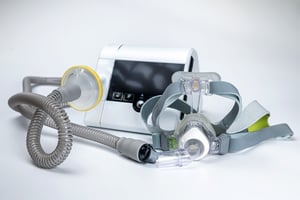


 The investigational medication retatrutide not only resulted in weight loss among patients with obesity, but also reduced knee pain and obstructive sleep apnea, according to a study published this week in The New England Journal of Medicine. The trial was funded by retatrutide’s manufacturer, Eli Lilly.
Why It’s Relevant
GLP-1 receptor agonists have helped transform the management of obesity and diabetes. However, given the heterogenous nature of obesity, medications that operate on multiple receptors might improve outcomes even more. Retatrutide is a triple hormone receptor agonist that targets the receptors for GLP-1, glucose-dependent insulinotropic polypeptide (GIP), and glucagon.
By the Numbers
- A total of 2,339 adults (average age 48, 65% female) with obesity but no diabetes were randomized to receive retatrutide (in 4mg, 9mg, or 12mg doses) or placebo over 80 weeks.
- On average, participants in the retatrutide groups reduced their body weight by 17.6% (4mg), 23.7% (9mg), and 25.0% (12mg) at 80 weeks, while the weight of those in the placebo group fell by only 3.9%.
- Among the 574 participants with knee osteoarthritis, pain scores in the retatrutide groups fell by 3.2 (4mg), 3.5 (9mg), and 3.6 points (12mg), compared with 1.9 points in the placebo group, as measured by the 10-point pain subscale of the Western Ontario and McMaster Universities Osteoarthritis Index.
- Among 243 participants with obstructive sleep apnea, the average number of apneas and hypopneas per hour of sleep fell in the retatrutide groups by 22.9 (4mg), 34.3 (9mg), and 31.7 (12mg), compared with 9.9 in the placebo group.
- At least one adverse event was reported in 87% to 89% of those in the retatrutide groups and in 81% of those in the placebo group. The most common adverse effects were gastrointestinal.
The Other Side
Close to 90% of the participants taking retatrutide completed the trial compared with just 72% in the placebo group, which may have affected results. Further, only 2% of participants had a BMI of less than 30 at baseline, which limits generalizability to that population.
Takeaway Message
The researchers noted that nearly a quarter of the participants on retatrutide lost at least 35% of their baseline body weight, a number typically only seen with bariatric surgery or combination therapies. Further, the significant sleep apnea improvements were encouraging given that until recently, treating this condition relied on surgery or mechanical interventions.
Related Information
Source
Ania M. Jastreboff, et al. Retatrutide, a triple hormone receptor agonist, for treatment of obesity. The New England Journal of Medicine. Published September 29, 2026. doi:10.1056/NEJMoa2604169
(Image: Getty Images/iStock/SBDIGIT)