


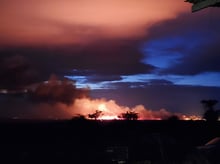
 Individuals who resided in or near the 2023 Maui wildfire burn zones reported significantly higher rates of distress—including depression, anxiety, and suicidal ideation—compared with Hawaiʻi residents who weren’t exposed to the fires, with housing displacement and income loss mediating the associations, according to a study published this week in JAMA Psychiatry.
Why It’s Relevant
With climate-related disasters growing in frequency and intensity, mental health professionals are increasingly sounding the alarm about the immediate and longer-term consequences such events have on the mental health of both those immediately impacted and the surrounding communities as well.
The Maui wildfires were among the deadliest in U.S. history, killing more than 100 people, destroying more than 2,000 structures, and displacing about 10,000 residents.
By the Numbers
- Researchers examined survey data—six to 18 months postfire—from 658 Maui residents who lived within designated burn zones, 877 Maui residents who lived outside burn zones, and 918 Hawaiʻi residents who lived outside of Maui County.
- Clinically significant depression symptoms were reported in 54% of the burn zone residents and 46% of Maui residents outside of burn zones compared with only 28% of the unexposed Hawaiʻi residents.
- Reports of clinically significant anxiety followed similar trends: 31% of burn zone residents, 22% of Maui residents outside of burn zones, and 11% of unexposed residents. Suicidal ideation was also slightly elevated among both sets of Maui residents.
- Temporary housing residents were 45% more likely to experience anxiety and 20% more likely to experience depression compared with those in stable housing.
- Being employed was associated with a 28% lower risk of depression and a 37% lower risk of anxiety.
The Other Side
The study can’t rule out unmeasured factors, such as prior trauma, undiagnosed psychiatric conditions, regional differences in health care access, and social cohesion. Additionally, mental health outcomes were self-reported, introducing the possibility of recall or reporting bias.
The Takeaway Message
“In Hawaiʻi, where housing costs are among the nation’s highest and social supports are limited, these results underscore the need to pair long-term housing solutions with trauma-informed mental health care,” the researchers wrote. Globally, the findings demonstrate the “necessity of embedding mental health surveillance and trauma-informed interventions within disaster preparedness frameworks to identify vulnerable populations early and guide equitable recovery.”
Related Information
Source
Ruben Juarez, et al. Housing displacement, employment disruption, and mental health after the 2023 Maui wildfires. JAMA Psychiatry. Published March 11, 2026. doi: 10.1001/jamapsychiatry.2026.0044
(Image: Getty Images/iStock/Jan Arakawa)