


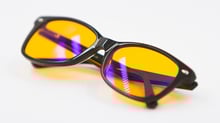
 Combining sleep schedules with light-altering glasses may help night-owl adolescents get more sleep, according to a study in JAMA Pediatrics.
Why It’s Relevant
Roughly 80% of adolescents don’t get enough sleep. Many stay up late and then try to catch up on sleep over the weekend, which can create a mismatch between their biological timing and sleep-wake schedules and affect their cardiometabolic and mental health, increase their risk of substance use, and hurt their academic performance.
By the Numbers
- Eighty high school students ages 16 to 19 who regularly went to bed at 1 a.m. or later were randomized to a two-week sleep improvement intervention or a sleep monitoring control.
- The students in the treatment group followed a personalized sleep schedule that shifted bedtimes and wake times earlier; they also wore bright-light glasses for 30 to 60 minutes on waking and blue light–blocking glasses for two hours before bed.
- After two weeks, circadian clocks shifted an average 36 minutes earlier in the treatment group but nine minutes later in the control group, as assessed by salivary melatonin levels.
- Compared with the control group, the treatment group lengthened their weeknight sleep by 47 minutes, fell asleep an hour earlier on weekdays and weekends, and woke up 20 minutes earlier on weekdays and two hours earlier on weekends.
The Other Side
The study didn’t test whether students maintained their improved sleep patterns in the long term, nor did it assess daytime naps, which many adolescents take. Participants were largely White, non-Hispanic individuals, so the results may not be generalizable to a broader range of youth.
What’s Next
“Future iterations of adolescent sleep/circadian interventions should consider balancing sleep/circadian health with developmental stage, including decisions surrounding caregiver involvement, opportunities for social engagement, and practical issues around scheduling constraints while [advocating] for changes in school start times,” the researchers wrote.
Related Information
Source
Delainey L. Wescott, et al. Chronotherapeutic approaches to target insufficient and late sleep in adolescents: A randomized clinical trial. JAMA Pediatrics. Published online April 20, 2026. doi: 10.1001/jamapediatrics.2026.0976
(Image: Getty Images/iStock/Alina Rosanova)